Detects uncrewed aircraft without transmitting radio-frequency energy.
Processes imagery locally using machine-learning models to reduce latency and operator workload.
Combines observations from multiple camera stations to maintain aircraft tracks across the monitored area.
Estimates the geographic position and movement of detected uncrewed aircraft.
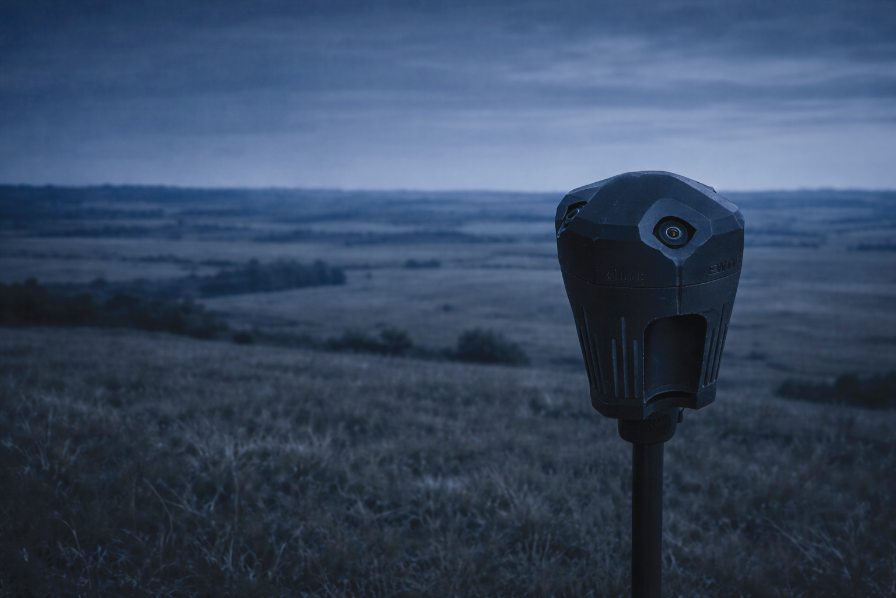
Portable mast-mounted sensor stations can be deployed with limited supporting infrastructure.
Distributes aircraft tracks through tactical and command-and-control interfaces, including Cursor-on-Target and Android Team Awareness Kit (ATAK) environments.
Supports armed forces and defence organizations in detecting and tracking uncrewed aircraft around bases, deployed positions, and operational areas.
Helps infrastructure operators, government facilities, ports, and other sensitive sites monitor nearby airspace for unauthorized or unexpected uncrewed-aircraft activity.
Provides airports and transportation authorities with an additional passive detection capability around controlled or high-traffic areas.
Helps correctional institutions detect uncrewed aircraft that may be used for unauthorized surveillance or delivery activities.
Enables security organizations to rapidly deploy passive airspace monitoring around major events, temporary facilities, and field operations.
Complements radar, radio-frequency, acoustic, and other sensors by providing passive optical detection, tracking, and geolocation within a broader counter-UAS system.